Book News

Synopsis (1)I am excited to share the synopsis for my upcoming Young Adult novel with you!  The story is a combination of time travel, dystopian and fantasy, so I have yet to choose the genre it falls in.  (I’m leaning towards time travel/dystopian although dystopian makes me cringe after the onslaught of that genre over the last few years.)

This is the first time the synopsis has been released anywhere, so you are one of the first to read it.  I would love to hear what you think of it.

Synopsis:

When 17-year-old Natalia Alkaev is chosen to live in the royal palace, she is thrust into a world of lies, betrayal and love.

Since she joined the rebellion, she has trained as an information processor for the growing revolution against the royal family.  She is told they are fighting a dictator who will take the throne in the future.  With new time travel technology, the rebels plan to stop the dictator before he or she can claim the throne.  Controlling the future is the key to everything.  But when Natalia is chosen as the new royal ward to appease the classes, she must hide her revolutionary past from the royals or be killed, all the while gathering information to feed back to the rebels.

She soon learns who the real villains are, and it’s not the royals she despises.

It’s someone much closer to her.

Don’t be THAT Self-Published Author

STORIES.jpg

This seems like a topic that would be obvious, but I see it too often:  some self-published authors act completely unprofessional.  When they receive criticism, like a bad review, they go to the reviewer’s blog and leave nasty comments on posts.  They get irritated when someone says their book cover sucks.  They believe their failing or nonexistent sales are due to bad readers, not a bad writer.

What?  Did you enjoy throwing a tantrum like a two year old who wants her crackers/nap/etc?

My advice: grow up.  This isn’t an industry for the faint of heart.  If you are only writing books to make money, stop now.  Your readers will thank you in advance and so will the bloggers/reviewers/writers you piss off along the way.

By acting unprofessional, you mess it up for everyone else who may actually be a decent author but won’t be reviewed by a particular blogger because they had a horrible experience with self-published authors who won’t accept criticism (I had a blogger say something similar to this to me once because of another indie author’s inappropriate comments.)

However…

If you are, or aren’t, one of those authors I realize criticism hurts.  When I first published it really stung when someone criticized my writing.  I still cringe to think of getting a bad review.  But, failure or mistakes are normal.  My mistakes (which are many in the writing world) taught me the most valuable lessons I had to learn and they will you too.  If your book receives harsh criticism: eat some chocolate/comfort food of choice, cry, learn, and move on.  Don’t obsess because that is the worst mistake of all.

If you really need help coping with criticism:

  1. Say thank you anyway

If someone criticizes your writing, say thank you for the review anyway.  It was one person’s opinion, not a personal attack against you.

  1. Listen and learn

Even writers like Cassandra Clare and Stephen King get bad reviews or deal with criticism.  Not that it probably makes them happy either, but it is part of life.  Take the advice, think about it, and consider if the reviewer isn’t right.  However, people do get touchy (especially nerdy fans who hate you killed their favorite character *coughs to cover guilt*), so please feel free to take negative comments with a pinch of salt.

  1. And remember…Mickey Rooney

Post NaNoWriMo

Post NaNoWriMo.jpgAutumn, Halloween, and NaNoWriMo have come and gone.  Since my last post almost three months ago, I’ve survived most of my first semester of college and now prepare to fight my way through massive papers and finals.  My writing went to shambles due to new schedules and other commitments.  However, a number of writers were far more productive.

Many writers spent November pumping out 50,000 words.  If you were one of them and met that goal, congrats!  Even if you didn’t meet your goal, you at least started on that book you wanted to write.  Simply starting a book is a massive goal, especially if you fear a blank page staring back at you.

But now, what do you do with the book you started or “finished”?

With the busy mayhem of November over, what have you done with your free time?  Netflix marathons?   After I wrote 25,000 words in Camp NaNoWriMo in July, I spent August reading on the beach.  August proved to be my least productive month of the year.  So, to get you out of your lazy habits, here are a few ideas for using your time productively so you can finish or publish your book:

  1. Fix plot holes

This was, and still may be, one of the biggest struggles for me when I write something.  It is easy to get caught up in the newest idea and add something into a story that contradicts your character’s main goal.  Maybe it’s a simple plot hole like you gave your character blue eyes in chapter 1, but by chapter 7 they magically have green eyes.  (Or you made a really big blunder like I did in Black Forest.  I started the major battle in the story on the wrong day which messed with the rest of my timeline.)

  1. Make a thorough calendar

If you haven’t already, outline your novel and carefully keep track of the dates.  You don’t want your main character arriving to face your villain early, do you?  Also, start tentatively planning when you want to release your book.  I suggest not setting an exact date as a number of complications and delays can happen, but start figuring out what self-publishing company you may want to use or if you want to traditionally publish.  Having a calendar to stick to will help keep you on track in the long run. (Note: I have learned adding more time than you think you need is a good idea.)

  1. Edit, Edit, Edit!

Unless you’re a grammar fanatic, you dread this part of the process.  Why can’t you be creative and altogether avoid editing?  Can’t your writing be good enough to avoid editing?

The answer is no.  You must edit.

Don’t hire an editor until you are finished with the work and are sure that you’re ready for publication.  Self-editing is important and comes way before hiring anybody else to read your work.  Go through your own writing and look for errors.  Edit on your computer or, as I tend to do, print your book off and mark errors while you sit in the bath.  If you aren’t sure about the exact rules of grammar, I suggest buying a program called “Grammarly.”  It isn’t perfect and doesn’t take the place of an editor, but it will make your job a little easier.  It also won’t break your bank as you can usually get it during a holiday promotional sale for $80.  If not, it’s only $140 full price.

  1. Find Beta Readers

Beta Readers are people who will read your work prepublication and give you feedback on a number of areas such as plot, grammar, characters and a number of other areas.  You can find Beta Readers online on writing forums or recruit close friends to read your book.  A word of caution on using close friends or family: they may tell you it’s great when really, you could use another look at your plot.  Or, they may get frustrated that you ask them to read your work.  My point?  Choose your beta readers wisely and make sure they are at least familiar with the genre you’re aiming for.

  1. Keep Writing

This may seem obvious, but it is easy to get caught up in Christmas and the New Year and forget about your story.  Don’t let it get too dusty in a forgotten drawer.  Try to write every day, but…

  1. Don’t get too close to your work

This last point may seem a contradiction to everything else in this post, but sometimes you need to walk away from your writing.  I don’t mean forever, but let it rest for a few days, weeks, or even months.  Some people find it useful to leave their story alone for a time to come up with more ideas or to come back to their writing with fresher eyes.

As always, hope this post helps.

Finding Stockphotos and Videos for Your Business’s Needs

180HFirst, yes this post is geared to writers yet it says “Your Business’s” in the title (and you can debate me about whether I spelled “business’s” wrong but I found it commonly spelled this way).  If you want to make a career in writing or simply sell books, then think of everything you publish as a business move.  Have fun with writing or you’ll lose your creativity, but treat it like a company that you just became CEO of.  Does a good CEO want their company to grow and sales to soar or run that company in the ground?

In the same way, whether you think writing is simply a hobby or not, you need to come across as a professional in everything you do, every online post and piece of writing you put out for others to read.

A great way to attract the attention of readers (or anyone) is through visual aids. Maybe you need that perfect picture for a blog post, a book cover you’re designing, for your Facebook post or add or maybe you need videos for the book trailer you plan to make.  When I started writing I never considered the need for photos.  Yet, think about all the promotional photos you see with character quotes or release dates for current, bestselling novels.

If you’re on social media you will use photos and videos sometime.

While there are so many choices, it’s difficult to find a good site with royalty free and cheap photos or videos.  Royalty free means that you can use the photos without copyright infringement.  This gets tricky if you plan to use a photo on the cover of something like a book where you can only sell a certain number of copies of that book before you have to pay more to use the photo.

The most common sites are iStockphoto.com or Shutterstock. These sites have a millions of photos, but their prices could empty a self-publishers pocket.  Instead I recommend sites like these (and I’ve used all of these so I’m sure of their work and credibility):

           Stock Photos:

            Pexels- https://www.pexels.com/  They have over 3,500 photos all available for download for free and without restrictions.  They are my main source for photos.

            Canva- www.canva.com They allow you to build all sorts of designs with illustrations, photos and fun fonts. Everything is free or cost a $1, a price that won’t break your bank.

            Unsplash- www.unsplash.com All photos are 100% free to use as you want.  There aren’t restrictions or costs.  You also don’t have to make an account before downloading.

            Gratisography- http://www.gratisography.com They have a collection of eclectic photos great for eye catchers.  

            Videos/Stock Footage:

            Videezy- www.videezy.com Unfortunately this is the only stock footage site that I’ve found that is free, easy to use and has a large selection that I care for.  If I find more in the future I will add them to this post.

Hope these sites inspire your creativity!

A Marketing Checklist For Authors

-POPIt is easy to get overwhelmed by the amount of marketing options for authors and hard to understand what your niche market looks like (If you already know your market then you’re ahead of the majority of writers).  Finding and connecting to your future readers and building your platform is the key to the success of your writing career.

So what is platform?

A basic definition of platform boils down to how many connections and readers you have and how well you show it.  It also includes knowing what books yours is similar to that have been published recently (I call this “genre fishing” and will touch on it more in a future post) and what kind of readers you wish to attract. For example, if you write memoirs about your experiences in the 1970’s, you likely won’t market your book to teenagers.

To help you brainstorm about possibilities for building your platform, I created a list of the most common ways to build platform before and after publishing:

  • Make an online presence: Set up Facebook, Pinterest, Twitter, etc. Don’t set up a personal page but rather an author or business page.  If you already have accounts on these sites see about options for merging your preexisting account with the new one.  
  • Create an author website (Weebly or Wix make this simple and affordable.)
  • Start a blog
  • Offer giveaways
  • Make an emailing list
  • Comment on forums and blogs (don’t self-promote in the comments. Focus rather on engaging and meeting other authors or potential readers.)
  • Look into blog tours and reviews
  • Create or have made a book trailer
  • Consider offering your book for a discount (I know, I know. You’re rolling your eyes.  Please consider this though.)  

This list is anything but complete.  Ths is a short list to give you a beginning direction for your marketing.  Don’t try to do everything at once, but also don’t leave everything until right before or right after your book is published.  Marketing takes time.  A good way to look at it is spend at least 50% of your time writing (and that’s a generous amount compared to some things I’ve read) and the other 50% marketing.

Your platform and marketing skills make or break your writing career.  Your quality of writing plays a small role in becoming a successful author.  (Note: That does not mean write crap and put it out there.  Still try to write your best.)

Jumping Into the Action

PUSH YOURSELF TO THE LIMIT

The Too Often Referenced but Valuable “Show, Don’t Tell”:

Writers often hear “show, don’t tell.”  But what exactly does that mean?

It means using dialogue, emotion and senses for description instead of synopsis or backstory.  Focus on the human senses-sight, taste, smell, touch and sound.  For example, don’t simply write “John stood at the street corner.”  Instead, write something like “John stood at the corner of Main and Market.  He glanced at the advertisement pasted to the shop window.  Dust clung to the window, a testament to the age of the little shop. A gust of wind ripped down the street hastening in a hint of rain and tempting aromas from the diner two doors down.”

(Disclaimer: these aren’t perfect examples, but you probably get the idea.)

How to jump right in:

With my first two novels I struggled to “show” in each of my scenes.  This summer, I figured out a simple tip that has helped me focus on dialogue and character actions instead of backstory or focusing too long on setting.

Open each scene with your character already immersed in a conversation, already on their journey (literally and/or metaphorically), or busy doing whatever they’re supposed to.

Example of setting everything up first:

             I sat perfectly still in the ornate oak chair, back straight like a lady’s should be.  Usually, I attended meetings like these with my father.  I would listen to everything the advisers said, but I’d lean my elbows on the table slouched over unlike any lady in the kingdom.  It suited then, but now I had to appear the one in charge. 

              “Lady Evelena, as you may know the estate is lacking sufficient funds to continue in its present state.”  One of the advisers said from across the table.

                “What do you suggest as remedy?”  I asked.

                “There is a simple choice, though we are already aware of your likely opinion.”  The adviser said.  “We suggest you marry quickly to a wealthy nobleman.”

                I stood so quickly my chair slid across the floor, screeching as it went.  My cheeks flushed, but I remained mute.  I knew this decision would save the estate, but it couldn’t be my only option.  There had to be something-anything-else.

Example of switching the scene around to start in the action:

             “Lady Evelena, as you may know the estate is lacking sufficient funds to continue in its present state.”  One of the advisers said from across the table.

                I sat perfectly still in the ornate oak chair, back straight like a lady’s should be.  Usually, I attended meetings like these with my father.  I would listen to everything the advisers said, but I’d lean my elbows on the table slouched over unlike any lady in the kingdom.  It suited then, but now I had to appear the one in charge.  “What do you suggest as remedy?”  I asked.

                “There is a simple choice, though we are already aware of your likely opinion.”  The adviser said.  “We suggest you marry quickly to a wealthy nobleman.”

                I stood so quickly my chair slid across the floor, screeching as it went.  My cheeks flushed, but I remained mute.  I knew this decision would save the estate, but it couldn’t be my only option.  There had to be something-anything-else.

This is a simple change, but it altered the way I write.  Maybe it won’t work for every scene or writer, but I find it helpful.  Keep in mind not to cut out or switch around so much that you confuse your reader.  You still need to include the location, just be careful where you choose to put that information in your scene.

Random side not: the last example is directly from the first draft of one of my unpublished novels in the works.  (If you like the passage comment below.  It’s always great to hear that my writing doesn’t suck!)

Finding the Perfect Book Cover

A book’s cover is as important and unique as the actual story itself.  Thperson-woman-hand-relaxingat’s why a book cover is one of the most important pieces of marketing a book.  It’s the image that your readers will (hopefully) connect to.

There’s many options for self-published authors to find the perfect cover.

  1. Work with a designer.

There’s hundred of sites where you can find a cover designer.  Prices range from $200 to several thousand.  Here’s a list of those that I have either used or have come highly recommended:

Scarlett Rugers Designs http://booksat.scarlettrugers.com/faqs/

Ebook Indie Covers http://ebookindiecovers.com/pricingprocess/ (Note: while they only work with eBook covers, they have both premade and custom-designed covers.)

Deranged Doctor Designs http://www.derangeddoctordesign.com/why-ddd.html 

BookBaby http://www.bookbaby.com/book-cover-design or Creatspace. (Note: most authors steer clear of such companies due to fraud in the news or legal actions against similar companies like XLibris.)  Both companies offer a range of services and I recommend using BookBaby if you want to simplify the distribution of both print and eBooks.

  1. Go with a premade cover.*

Many designers offer covers that are ready to go.  This is useful for anyone who plans to publish on a tight budget or schedule.  For a fraction of the price an author can purchase a beautiful cover.

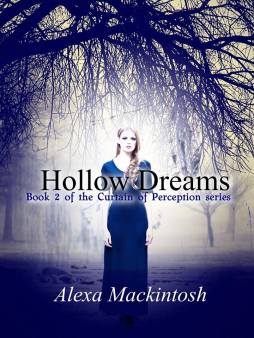
hollow dreams

The cover I purchased from SelfPub Book Covers.

SelfPub Book Covers http://www.selfpubbookcovers.com/ With several thousand premade eBook covers for under a $100, I used them for the cover of my second novel.  You can also order a back cover/spine for an additional fee.

Rocking Book Covers http://www.rockingbookcovers.com/premade-covers/ They specialize in darker covers.

*If you go with premades make sure the stock photos are included in the price of the cover.  Also make sure you choose stock photos not used on many other covers (a quick Google search can give you a good idea if the photo is used a lot).

  1. Make your own cover.

Canva www.canva.com Through this site you can make anything from eBook covers to posters.  It is an invaluable marketing tool.  All photos and fonts on their site are free or $1.  This is much cheaper than stock photo sites.

Microsoft Word- While I’ve never made my own cover, I’ve seen amazing covers made in word.  There are multiple tutorials online including this one: http://www.thecreativepenn.com/2013/10/20/book-cover-design-ms-word/.  I recommend reading Joanna Penn’s articles as she shares information for all genres of writers at any level.

Warning: if you make your own cover, keep in mind the cover is for your readers not you.  Even if you think your cover is fantastic, make sure your readers agree.

Happy book cover searching!

A Few Books Every Writer Must Read

photo-1419640303358-44f0d27f48e7

I should have spent hours reading about self-publishing, but didn’t.

I published, for better or worse, twice in high school oblivious as to how to make a decent self-published novel.  Unfortunately, self-publishing has somewhat of a bad connotation because people think they can be an instant bestseller by uploading their book to amazon.  I thought that at first, but learned the truth.

Believe me, it’s much much harder to create a successful book than you can imagine.

If you’re a new writer prepare yourself for hours of brainstorming, even more typing away the tap of your keys for company and gallons of coffee.  Oh, and likely at least a few bad reviews and days of doubt.

To avoid many pitfalls I later read numerous books on the subject.  Here’s a short list of the those I found most useful that will aid any writer, not just those interested in YA.

1. 20 Master Plots:And How to Build Them

Available at: http://www.amazon.com/20-Master-Plots-Build-Them/dp/1599635372

2. The Plot Whisperer

Available at: http://www.amazon.com/The-Plot-Whisperer-Secrets-Structure/dp/1440525889

3. Plot Perfect

Available at: http://www.amazon.com/Plot-Perfect-Build-Unforgettable-Stories-ebook/dp/B00PMIGWKC/ref=sr_1_1?s=books&ie=UTF8&qid=1441574657&sr=1-1&keywords=plot+perfect

4. Any books in the genre that you write!

This last one is most important.  Reading books similar to yours gives you an idea of what readers of your particular genre are looking for.  It helps you see unique angles for your story and ways to handle difficult or controversial scenes you may be working on.  I often read other books to see how they handle a situation that I have trouble relating to or am not sure if it’s too much for YA.

I hope these books help!